
What to Expect During Your First TMS Session1 min read
Before your first visit
You'll meet with a TMS-trained clinician to review your history, current medications, and treatment goals. Bring a list of everything you take, including supplements. You do not need to stop your antidepressant to start TMS.
Session one: motor threshold mapping
Your first appointment is longer than the rest — usually about an hour. The clinician uses gentle magnetic pulses to find the spot on your scalp that corresponds to the thumb muscle. This lets us calibrate the exact dose of stimulation for your brain.
Daily sessions
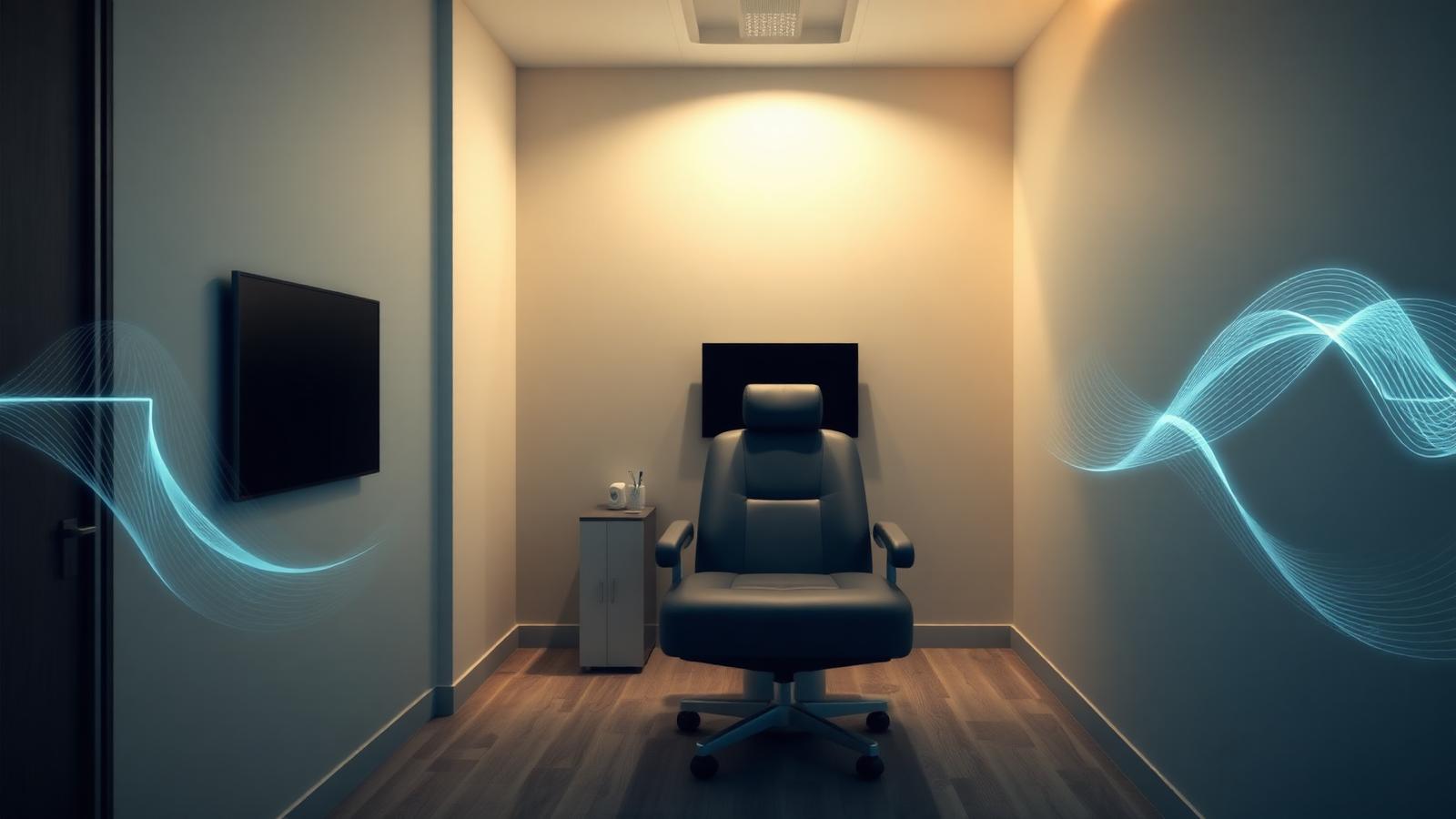
After mapping, treatments are quick — typically 20 minutes, five days a week, for six weeks. You sit in a comfortable chair, awake and alert. You can listen to music, watch TV, or chat with the technician. Most people drive themselves to and from the appointment.
What it feels like
You'll feel a tapping sensation on the scalp. It's odd at first and can be mildly uncomfortable for the first few sessions; almost everyone adjusts within a week. There is no anesthesia, no sedation, and no memory loss — this is not ECT.
Side effects to know
- Scalp discomfort at the treatment site (usually improves after week one)
- Mild headache, easily managed with over-the-counter pain relievers
- Very rare: seizure (less than 0.1% risk)
When you'll feel better
Most patients notice something shifting between sessions 10 and 20 — sleep improves, energy returns, or the "gray filter" lifts. Full response is measured at the end of the acute course.
Ask our team any questions before you start — informed patients tend to have the best experience.
Ready to talk with a real person about your care?
Every article here is educational. Your care plan is personal — our team will listen, answer your questions, and help you decide what feels right for you. No pressure, no judgment.
New patients welcome. Most insurance accepted. If this is a medical emergency, call 911 or go to your nearest emergency room.
Get more articles like this
Occasional updates from our care team on mental health, treatments, and what to expect — straight to your inbox.